Farming Simulator 25 mods
76,667 results- 15 per page
- 30 per page
- 45 per page
- 60 per page
-
See more per page
Bigger pages, fewer clicks - and no ads anywhere.
Go Pro
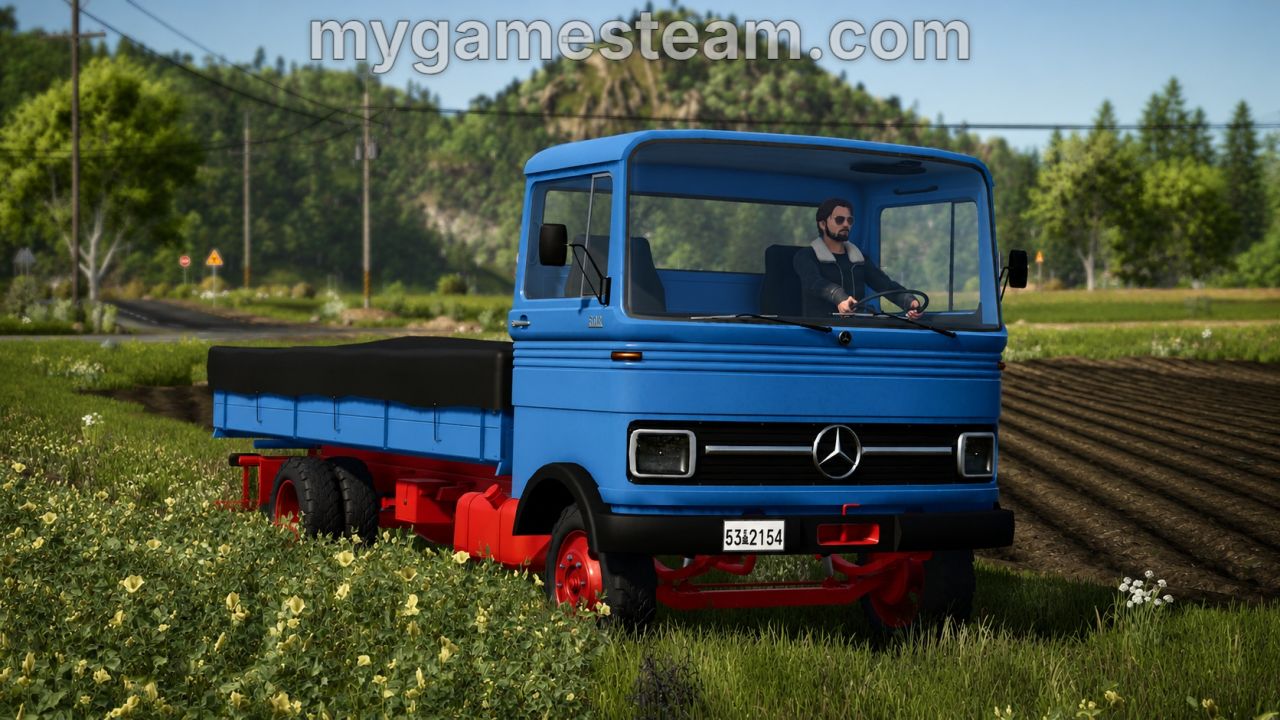
FS25 Mercedes-Benz LP608 1965 V1.0.0.0
FS25 Mercedes-Benz LP608 1965 V1.0.0.0 – Category: trucks – Price: 26,700 $ – Power: 80 HP – Max Speed: 106 KM/H – Weight: 7.3 Tonnes – Transmission: Manual – Diesel Capacity: 100 Litres – Working Speed: 25 KM/H – Tank capacity: 5.5 m³ – Working Width: 4 meters – Production year: 1965 Bed configurations: – Flatbed – Stock – Tipper – Liquids tank – Closed bed – Log bed Livestock: – Cows: 5 – Sheep: 9 – Pigs: 9 – Horses: 5 – Chickens: 58 Shop Options: – Main body color configuration – Chassis color configuration – Seats color configuration – Tarp cover color configuration – Tool box – Spare wheel Interactive Control: – All doors – All bed panels – All windows – Sunvisor – Mirrors – Ignition Interactive Control (Recommended) Exhaust Extension (Optional) Vehicle Years (Optional) Credits:MyGameSteam Mercedes-Benz, GIANTS Software, MAX, Vassili_K98, TSR, TonyG616, BoerTim Modding, Karl911, Nasif_Modding, BOB51160, VAgri, Onur Emre, Thalley, Vertex Design, Vector Man, FirenzeIT Tags: HPInteractive ControlShop Options


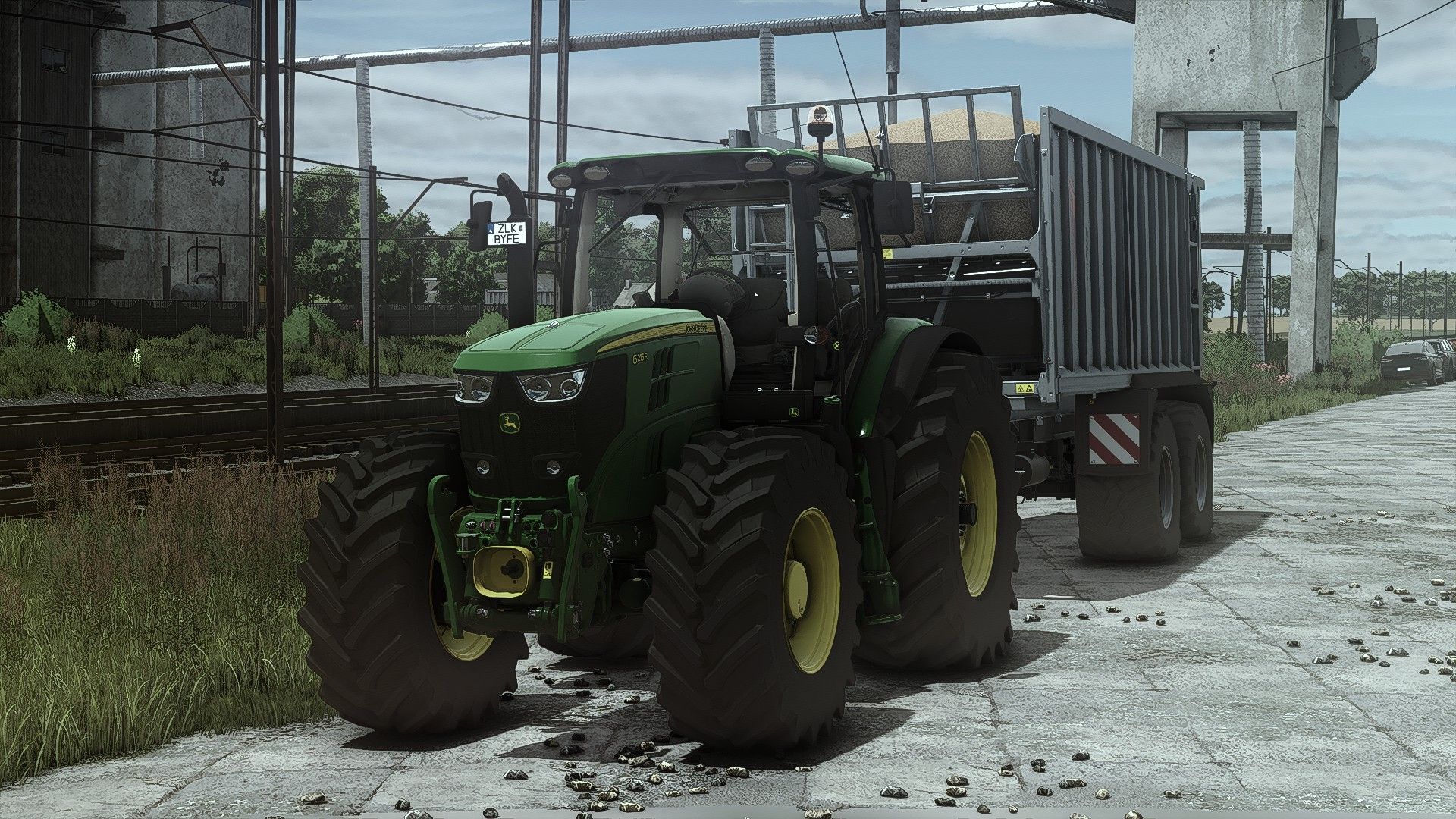
FS25 John Deere 6R Series 2015 BETA v1.0.0.0
FS25 John Deere 6R Series 2015 BETA v1.0.0.0 Max Speed: 50km/h Price: 125500 Power: 215HP – 255HP Configurations: Engine Wheels Wheels setup Design Versions Fenders Monitor Lights Roof and GPS Doors and editions Mirrors Additional lighting Attachers Tank capacity Front loader attacher Required mods: Interactive Control Vehicle Years Precision Farming Credits:Starlexs, Paralized, Udruzenje Nezavisnih Modera Tags: BETAGPSMax SpeedPrecision Farming
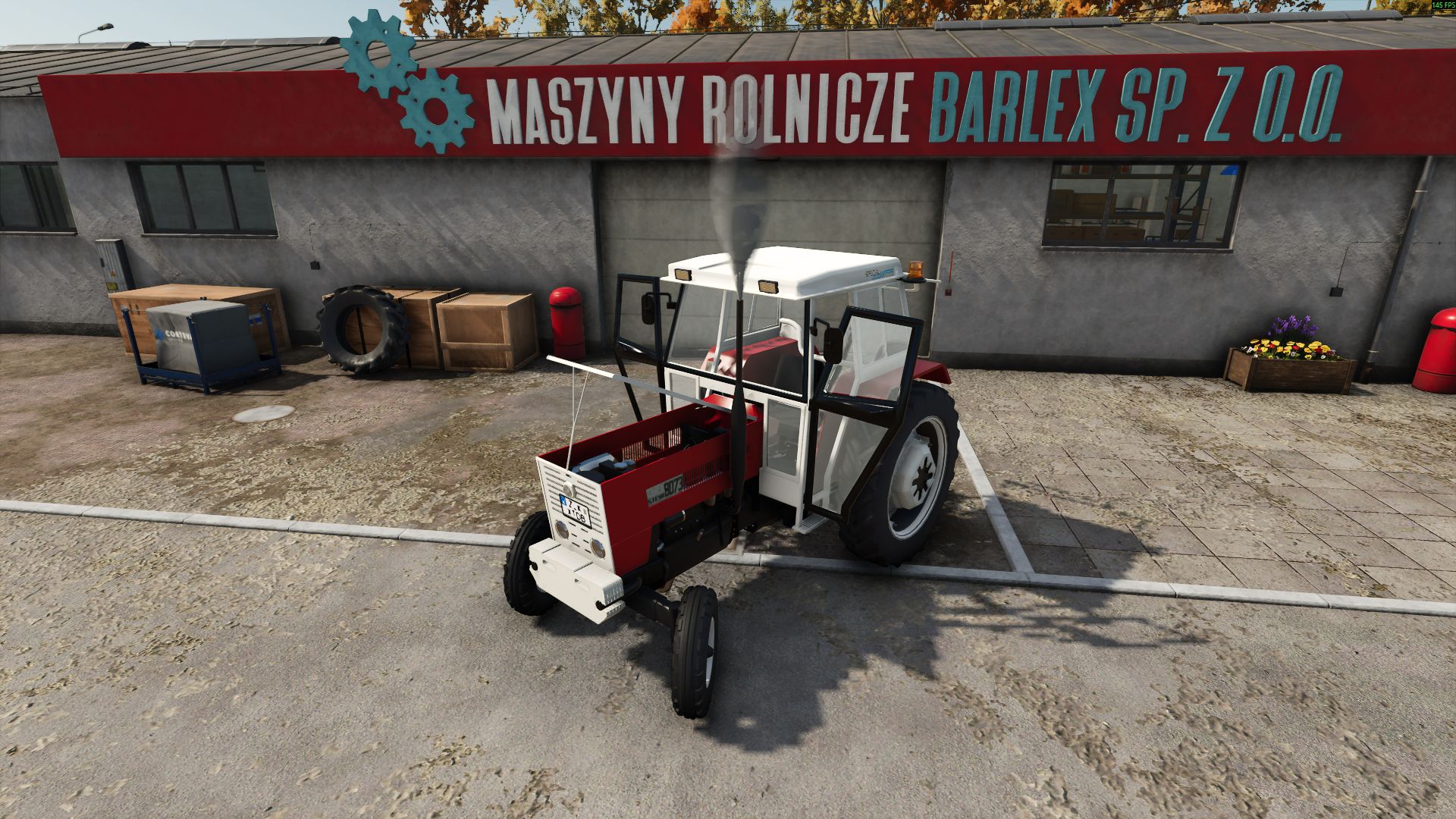
FS25 Steyr 8073 V1.2.0.0
FS25 Steyr 8073 V1.2.0.0 STEYR 8073 Tractor mode Cabin, Awning and Standard options Weighted and Unweighted Options Thin BKT Tire and Trelleborg Tire Options Price: 38,000 Horsepower: 70 Maximum Speed: 30 V1.2.0.0 The cabin was reorganized, wheel weight and front weight were redrawn, the hood was redrawn, the problem of fuel not filling was fixed, animation was added to the cabin and hood, and the exhaust was redrawn. Required mods: Interactive Control Credits:EfeModding Tags: Interactive ControlMaximum Speed
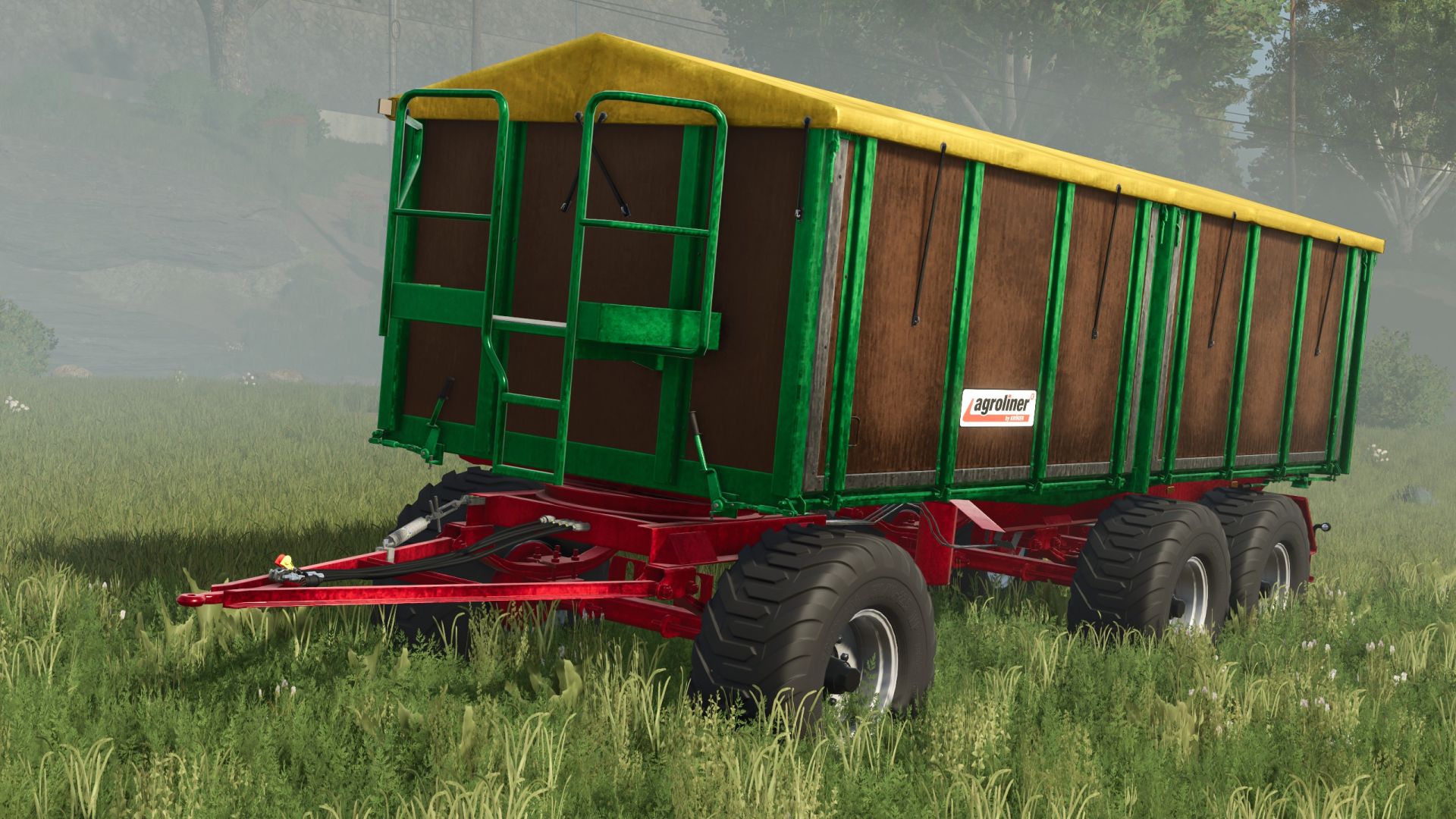
FS25 Retro Kröger HKD 402, 3-axle V1.2.2.0
FS25 Retro Kröger HKD 402, 3-axle V1.2.2.0 The trailer is originally from the LS15, so it’s already had a few years under its belt. I adapted it for the LS17, LS19, LS22 and now LS25. Runs for me without errors. If something doesn’t work for you, please let us know, including suggestions for improvement. V1.2.2.0 Sorry, now the correct 402 Version 1.2.1.0 The download no longer worked, so here is the new one Version 1.2.0 I adjusted the chassis geometry again, but I didn’t like the fact that it had less spring at the front than at the back when loading. Version 1.1.0 Driving behavior improved and some visual changes, e.g. drawbar spring Credits:Schmiede, GIANTS Software Tags: HKDLS19LS22
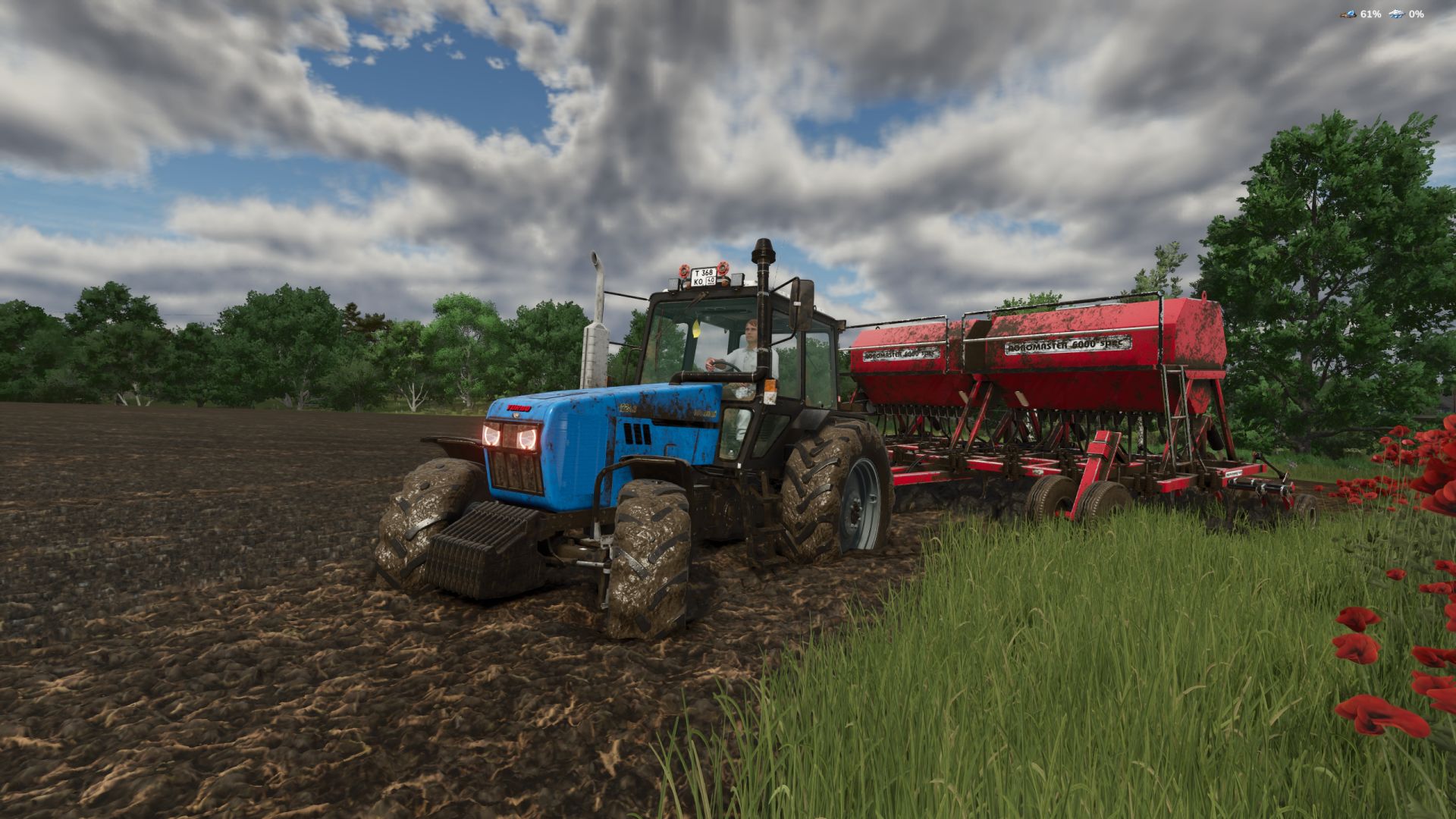
FS25 Mud System Physics V1.3.0.0
FS25 Mud System Physics V1.3.0.0 Mud System Physics is an advanced physics mod for Farming Simulator 25 that completely rethinks how equipment interacts with the soil during rainy weather. What does the mod do? The mod adds a dynamic dirt system that affects: – Wheel behavior – Surface grip – Visual effects – Vehicle cross-country ability – Condition of fields and soil Every trip in the rain or on a damp field is a risk of getting stuck, and not just a pretty picture… Key features “Real” mud physics Dirt is calculated from humidity in real time! Wheels can: – slip – Lose grip – Get stuck in the mud The heavier the equipment, the higher the risk of getting stuck Interaction with fields Mud behaves differently on different types of field soil; for example, plowed fields are the most viscous! Possibility of removing vegetation in deep mud (optional) Flexible settings! The mod is fully customizable through the game menu: – turn on/off the mud system – strength of the viscosity effect – influence of rain – visual effects – removal of vegetation – And much more. (There are more than 20 different knobs and switches) TIRE PUNCTURE SYSTEM AND TIRE PRESSURE AND MUCH MORE… I prohibit using the mod code outside the system. As well as distribution to other sites, not via the author’s link! V1.3.0.0 – Dirt no longer includes sharp speed limits. Now the physics have been reworked, and Mud now slows down vehicles primarily through ground resistance and engine load. – Problems with box interception have also been fixed. – Local humidity mode has been completely redesigned. – When the local humidity mode is turned on in the PDA, the display of humidity layers is added. – Permanently getting stuck in fields has been reworked. – The mod settings have been completely redesigned. Some items were completely removed from the settings, and some were hidden. To show hidden settings, you need to move the desired slider and show additional settings. settings in blocks where available. – The “light” and balanced presets have been adjusted. – Added to the settings the choice of puncture chance from 1 to 50% per wheel. (default 2%) Please post an update if you have any problems or suggestions! People who sent translations for the mod, you can update your translations and send them to me; we’ll add the following ones to the update! Thank you all so much for your feedback and support! It’s a pleasure to work with you! Best wishes! PS. Players on servers, please report on the functionality of the settings and whether they still crash when logging into the server! Have a nice game! Credits:BMProd Tags: Farming Simulator 25PDAPS
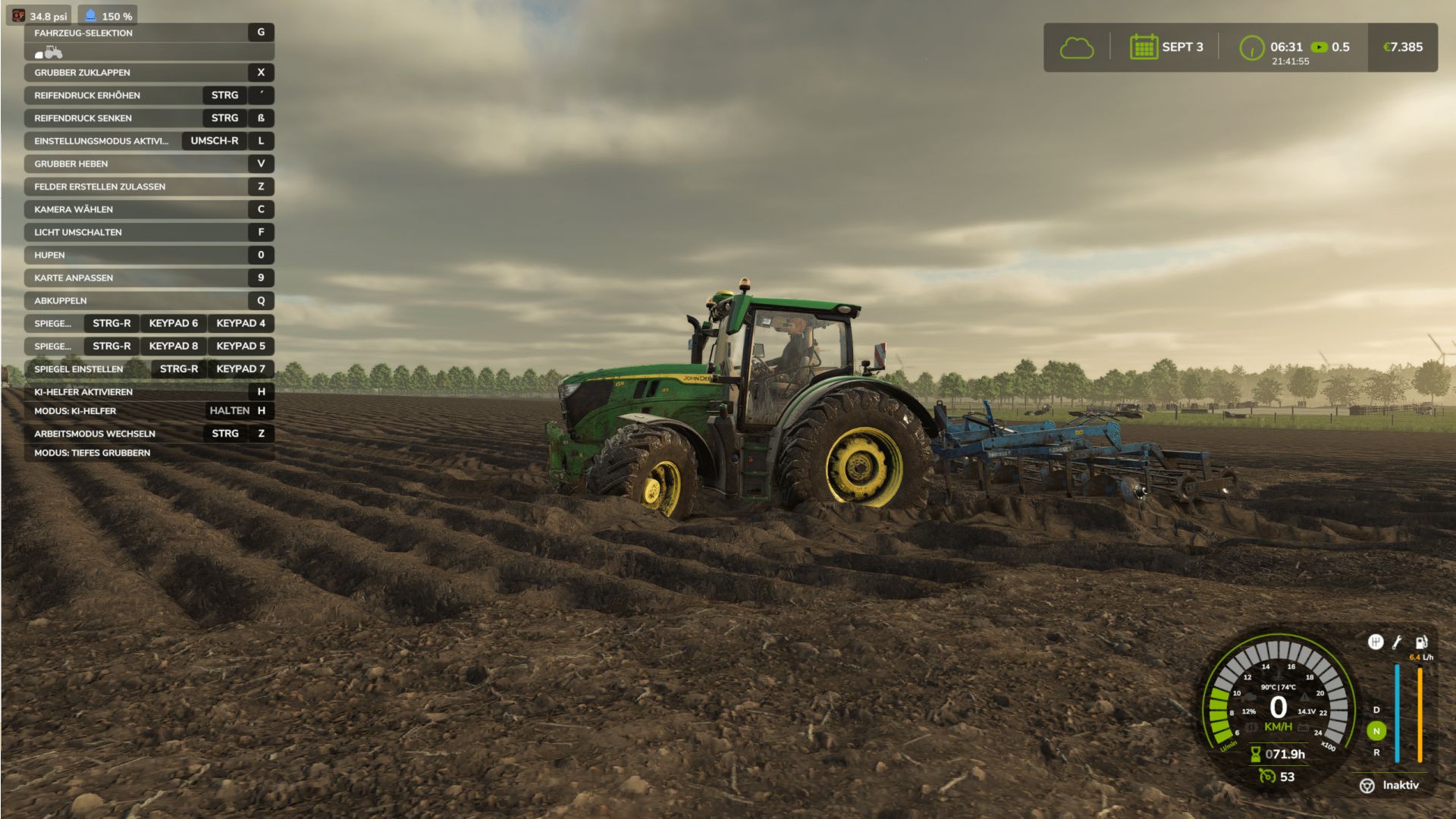
FS25 Visual Mud Tracks V1.3.6.2
FS25 Visual Mud Tracks V1.3.6.2 Visual Mud Tracks – full mod description Visual Mud Tracks expands Farming Simulator 25 with a comprehensive simulation of lanes, soil moisture, tire behavior, compaction, fruit destruction, root damage and bogging. This means that vehicles react much more realistically to dry, moist and water-saturated soils. The mod is designed for single player and multiplayer and can work with the **Realistic Water & Soil Management System**. Soil moisture, load capacity and waterlogging not only influence the display, but also tire contamination, sinking, slippage, driving resistance and plant damage. #Physical lanes and terrain grooves Tires can permanently lower the terrain and create real grooves in the terrain heightmap. The depth and width of the tracks are calculated individually for each wheel. To be taken into account: Vehicle weight actual wheel load Tire width and tire radius Tire pressure Soil moisture Soil saturation Carrying capacity Speed Wheel slip Cornering Number of previous crossings Trailers, levels and attachments Left and right bike lanes remain separate. The center of the vehicle is not lowered unnecessarily. The grooves have a narrow, steep cross-section so that the edge areas do not sink over a large area. Existing tracks can be deepened by further difficult crossings. A maximum depth protects the terrain from extreme deformation. The groove is created directly at the actual wheel contact. There is no delayed post-processing behind the vehicle. Steered, mirror-mounted, and differently aligned wheels are taken into account. Restoration through tillage Physical lanes can be removed again through appropriate tillage. The following are supported, among others: Plows Cultivator Disc harrows Subsoiler Mulcher Reels Seeders Direct seeding machines Planters The terrain is only reset within the actual work area being worked on. Pending trace calculations and saved visual traces are also removed there. Safe Terrain Journal The mod uses separate savegame files: `visualMudTracksTerrainBackup.xml` `visualMudTracksActiveRuts.xml` `visualMudTracksState.xml` The original terrain height of a cell is saved during the first intervention and is not later overwritten by further passes. Active grooves and recovery information are managed separately. This allows tracks to be reset in a more controlled manner. Interrupted restores can be resumed the next time you start the game. Important note for updates: Before switching from an older version, existing lanes with the old version still installed should be removed using tillage equipment and the score saved. Grooves that have already been permanently written into the terrain height map may otherwise remain. Visible and physical sinking Tires visibly and physically sink on soft and wet surfaces. The sinking is implemented via the effective wheel physics radius. This means that the tires, suspension and ground contact react together. The sinking occurs progressively and not suddenly. On solid ground, the wheel lifts itself out of the ground in a controlled manner. The sinking depth depends on: Soil moisture Saturation Carrying capacity Wheel load Tire width Tire pressure Speed Slip Existing track depth Wide tires distribute the load better. Narrow, heavily loaded tires cut deeper. Tire pressure system The tire pressure can be changed while driving. The value is saved for each wheel and synchronized in multiplayer. Low tire pressure: increases the contact area Improves grip on soft ground reduces cutting can make it easier to get out of soft tracks High tire pressure: reduces the contact area increases cutting increases the risk of getting stuck on wet ground may be cheaper on solid ground A compact HUD shows the current pressure in bar and evaluates it in color. ## Soil moisture HUD and RWSM connection The Soil Moisture HUD shows the current RWSM topsoil value in percent. The display uses the same soil moisture value as the RWSM field info. Values above 100 percent can represent severe waterlogging or waterlogging. RWSM soil moisture affects: Sludge content Tire contamination Particle effects Carrying capacity Sinking depth Tire grip Wheel slip Groove depth Danger of getting stuck Fruit and root damage Increased soil moisture caused by irrigation can also change the soil physics. Tire dirt and mud The amount of mud is stored individually for each tire. A tire remains dirty after leaving the field and cleans itself depending on the surface. Asphalt cleans quickly Gravel cleans slower Clean dirt roads only slightly High speed throws more mud out of the tread Rain also washes off the tires a light film of dirt may remain The particle effects distinguish between dry earth and wet mud. Included are: fine dry soil particles medium dry soil particles fine wet splashes medium mud particles Rare heavy mud lumps The amount of particles depends on wheel rotation, slip, tire width, radius, moisture, sink factor and load capacity. Particles are only generated when there is suitable ground contact. Progressive stuck physics On heavily waterlogged and less stable ground, a vehicle can progressively become stuck. Continuous slippage causes driven wheels to dig in further. At the same time, the transferable grip decreases and the driving resistance increases. To be taken into account: Soil moisture and saturation Carrying capacity Wheel load Tire pressure Slip Speed Engine utilization Engine speed Tensile load Working resistance Duration of exposure Plows, cultivators, disc harrows, subsoilers, seed drills, power harrows and rollers produce different pulling resistances. Working width and working depth influence the power requirement. In extreme conditions, propulsion can be almost completely lost. Lifting or uncoupling an implement immediately reduces the additional load. Controlled reversing can reduce the digging condition and free the vehicle along its own lane. Soil compaction Vehicles compact the top and bottom soil depending on wheel load, soil moisture, slip and number of passes. Included are: Topsoil compaction Subsoil compaction Stronger compaction in wet soil Multiple experiences Additional load due to cornering and slipping Plow sole for frequent plowing Different effects of plow, cultivator and subsoiler Targeted reconsolidation by rolling Slow biological recovery Compaction and soil structure can be viewed in the field info. Fruit destruction Plants in the immediate tire area may be damaged or completely removed. The native LS25 fruit destruction is used for this. The damage depends on: Wheel load Tire width Soil moisture Slip Cornering Growth stage Root health Soil structure Number of crossings Young plants react more sensitively. Repeated crossings significantly increase the damage. Normal tires remove plants after several trips over the same spot at the latest. Detected maintenance tires reduce the damage, but do not prevent it completely if the vehicle is driven frequently. Root Health Each contaminated soil cell can receive its own root health value. Root damage occurs due to: high wheel load wet ground strong slip Cornering Multiple crossings unfavorable growth stages compacted soil If root health declines, the risk of visible plant damage increases. Below 70 percent: increased sensitivity Below 40 percent: further crossings lead to destruction more quickly Less than 20 percent: very high risk of failure Root health is saved and can slowly recover biologically. Field info and settings menu The mod expands the field information to include numerous land values, including: Soil compaction Underbody status Root health Soil structure Sink factor Carrying capacity Fruit and root damage The settings menu contains detailed descriptions of all options. High and low values, interactions, performance consequences and save game effects are explained. The menu texts are available in twelve languages: German, English, French, Spanish, Italian, Dutch, Polish, Portuguese, Russian, Czech, Hungarian and Turkish. Multiplayer and performance The crucial physics calculations run on the server side. Tire pressure, contamination and important soil conditions are synchronized. To optimize performance, the mod uses: limited groove points adjustable storage intervals Event and bulk caches sleeping floor cells Reduced refresh rates for removed or inactive areas delayed safe initialization of the particle systems Clean release of particle effects when deleting vehicles V1.3.6.2 Complete connection to the Water-Soil API of **Realistic Water & Soil Management** added. Soil moisture, pore saturation, surface wetness, bearing capacity, soil type and possible sinking depth are taken directly from RWSM. Damp floors remain soft and at risk of traffic even after the basic game has visually dried. Mud, tire, track and compaction data is permanently saved and synchronized in multiplayer. Unified author name in all mod files to Sherman. Tire pressure and ground load Adjustable tire pressure system with bar and PSI display added. Recommended field pressure is calculated from tire width, tire size, wheel load, vehicle weight and payload. Tire pressure that is too high reduces the contact area and increases the ground pressure. Appropriately low field pressure reduces topsoil compaction and subsidence. High wheel and axle loads can cause deep compaction despite low tire pressure. Tire pressure HUD added with color evaluation of the optimal pressure range. Actual tire pressure and calculated ground pressure are passed to RWSM. High tire pressure increases topsoil compaction and shear damage. Root space and subsoil compaction remain more dependent on wheel and axle loads. Sinking and vehicle physics Sinking is calculated from soil moisture, load capacity, wheel load, tire width, tire pressure and slip. Added different values ​​for tractors, trailers and tracked vehicles. Loaded vehicles and full trailers sink more than empty vehicles. Heavy trailer wheels can create deep tracks even without traction. Slip digging also works when driving slowly and no longer only when completely stationary. Different FS25 slip values ​​are recognized and unified. Percentage slip information is correctly normalized. If the slip continues, the vehicle will progressively sink additionally. Visual wheel sink depth and physical terrain groove have been linked together. Safety limits prevent unstable 50cm drops. Maximum track depths have been limited separately for tractors, heavy trailers and caterpillars. At 0°C or below, the ground is considered frozen. No new sinking, slipping or compaction effects occur on frozen ground. Existing traces remain intact in the event of frost. Physical lanes Added direct heightmap deformation for real terrain tracks. Terrain grooves are saved permanently and restored after loading. Maintained savegame compatibility with older versions from 0.35.5. Removed incorrect automatic cleanups and aggressive groove migrations. Old tracks are no longer deleted when a terrain check fails. Terrain writing logic returned to the stable flow of the previous version 0.36.6. Repeated instant checks and permanent post-corrections removed. Terrain cells are only rewritten if the target depth changes significantly. Small changes in the millimeter range are ignored. Terrain brush is aligned to a fixed heightmap grid. Brush position remains stable when stationary. Slip only changes the depth of the existing track and does not constantly change brush position or width. Terrain stamp has been reset to the actual tire contact patch. Terrain no longer drops significantly in front of the tire. Forward and reverse travel are taken into account in the contact position. Tire width is used directly for track width. Narrow tires only write the required heightmap cells. Adjacent terrain columns are no longer lowered due to rounding errors. Wide tires and tracks receive a limited, suitable contact area. Lateral sinking of the terrain far next to the tire has been greatly reduced. Very wet ground creates steeper track edges. The previous bowl-shaped Smooth effect has been removed. The track sole remains more evenly deep within the tire width. Transitions to the unchanged terrain have been significantly reduced in size. The visible edge sharpness remains dependent on the heightmap resolution of the map. Multiple crossings and slippage Multiple passes are saved per lane or terrain cell. The first crossing causes the most damage. Further passes increase compaction and depth with decreasing additional effect. Repeated trips through the same lane are detected. Axles of the same vehicle are not automatically counted as completely separate passes. Loaded trailers can create deeper tracks than the towing vehicle after several passes. Multiple passes are retained after saving and loading.* Slip deepening and pure load compression are treated separately. Sustained slipping gradually digs the wheel deeper. Terrain is only rewritten with additional slip depth after a relevant change. Anti-jitter improvements Reduced repeated changes to the physical wheel radius every frame. Wheel position and friction are only updated on real changes. Minimum interval between WheelPhysics updates added. Small fluctuations in the sinking depth are smoothed out. Minimal humidity or load changes do not trigger constant physics recalculations. Vehicle suspension and artificial wheel lowering no longer work against each other permanently. Repeated repair writes to the same terrain location. Lateral tremor due to offset brush marks significantly reduced. Tire moisture and mud Tire moisture was separated from nFK and plant available water. 100% nFK does not automatically result in wet tires if the surface is dry. Surface moisture, wetness memory, soil type and slip determine tire status. Tires slowly become wet on wet ground and become increasingly muddy as they slip. Tires remain visibly dirty after leaving a muddy field. Immediate full cleaning on dry ground or road was prevented. A residual film of mud remains. Dry grass can remove some loose mud. Wet grass will not clean tires. Clean asphalt, concrete and gravel slowly depending on the route and speed. Rain and wet roads can wash off extra mud. Amount of mud is stored per tire. Vehicles dry off again on solid surfaces and in halls. Vehicles do not remain permanently wet in dry halls. Pure wetness dries faster than mud. Wet and dry transitions have been significantly smoothed. Small fluctuations in humidity are ignored by a tolerance zone. Shaders no longer immediately switch between fully wet and dry. No textures, shaders or files were adopted from the LS19 mod “realDirtColorâ€. Only the principle of slow transitions has been reimplemented for FS25. Wetness and shader display Previous artificial black wet areas and visible floor patches removed. No more extra dark circles or decal borders. No permanent terrain texture or density map changes. Native FS25 wet and vehicle materials are used. RWSM remains the local source of moisture and mud intensity. Global wetness values ​​are not permanently overwritten. Vehicles in halls do not become artificially wet due to global soil wetness. Shader and display range has been significantly increased. Soil and wet conditions are prepared earlier at a greater distance. Visible build-up of the shader directly in front of the vehicle has been reduced. LOD and visibility ranges can be adjusted over larger areas. Mud particles Particles respond to moisture, soil type, speed and slip. Mud particles are increasingly formed when there is real wheel slip. Particle emitter has been moved closer to wheel-to-ground contact. Vertical speed has been reduced. Wet clumps of mud stay closer to the ground. Lifespan of high-flying particles has been shortened. Particles no longer fly unrealistically far over the vehicle. RWSM, compaction and yield Vehicle mass, payload, level, wheel load, axle load, tire width, tire pressure, ground pressure and slip are transmitted to RWSM. Wet soil increases the risk of compaction. Appropriate field pressure reduces damage but does not completely compensate for extreme loads. Slip creates additional topsoil and shear damage. RWSM can use compaction and track depth for roots, plant development and yield. API fallbacks for operation without full RWSM availability remain included. Performance and compatibility Separate update intervals introduced for terrain, wheels, shaders and particles. Distance-controlled LOD and calculation intervals reduce system load. No full terrain or vehicle searches in every frame. Savegame data is saved compactly. Old savegames will continue to be used without any destructive cleanup. Multiplayer remains server authoritative. No write access to plant growth states or fruit density maps. Improved compatibility with RWSM, Precision Farming and standard FS25 vehicles. Required mods: Realistic Water & Soil Management (RWSM) Credits:Sherman200 Tags: Farming Simulator 25FS25HUDRWSM
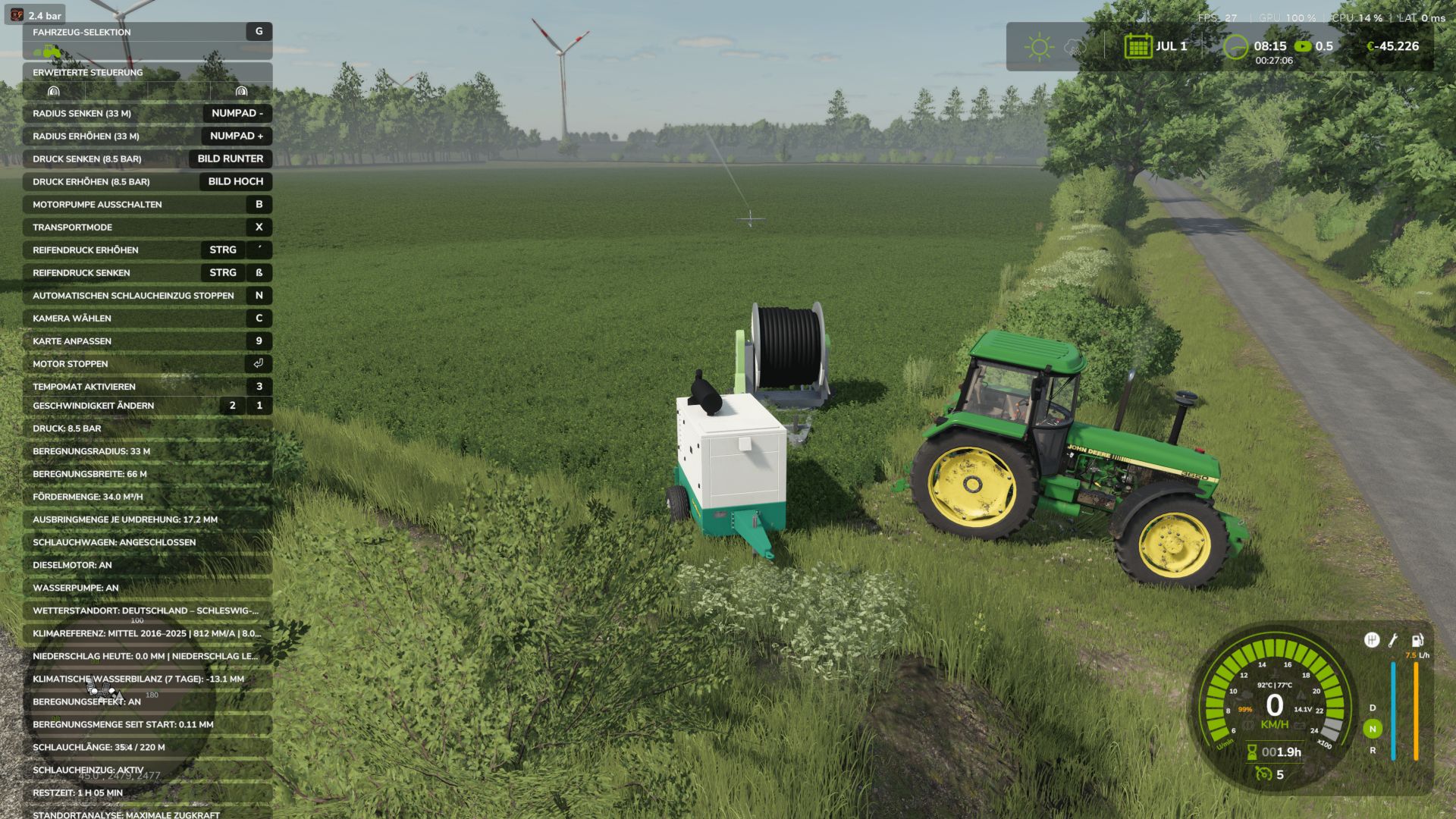
FS25 Realistic Water & Soil Management (RWSM) V1.3.6.1
FS25 Realistic Water & Soil Management (RWSM) V1.3.6.1 Realistic Water & Soil Management – RWSM Realistic Water & Soil Management expands Farming Simulator 25 with permanently stored water, soil and plant balance. Rain, irrigation, evaporation, soil type, terrain, compaction, tire pressure, tillage and plant development are directly intertwined. As a result, fields no longer only react with simple conditions such as “dry” or “wet”, but rather have a multi-layered water balance with topsoil, root zone and subsoil. Natural depressions stay moist longer, heavy vehicles compact wet soil more and inadequate tire pressure increases the load on the topsoil. These influences have long-term effects on soil structure, root health, plant development and yield. Features Multi-layered water balance The soil water balance is calculated separately for: Topsoil from 0 to 10 cm Root zone from 10 to 30 cm Subsoil from 30 to 60 cm Precipitation, irrigation, evaporation, seepage, drainage, surface runoff, plant water absorption, soil type, soil structure, compaction and landform are taken into account. The usable field capacity is displayed separately from the complete pore saturation. Water above field capacity appears as excess water and can seep away, run off or cause waterlogging. Different soil types RWSM differentiates between different types of soil with their own properties, including: loamy sand sandy loam Clay silty clay Each soil type has its own values for field capacity, wilting point, water retention, infiltration, drainage, bearing capacity, risk of compaction and sinking depth. Sandy soils dry faster. Loamy and clay-rich soils store more water, but remain soft longer and are at risk of compaction. Dynamic weather and climate Regional climate profiles influence: Precipitation Temperature Evaporation Wind Humidity Sunlight exposure seasonal distribution The game’s actual weather data directly affects soil moisture, drying and evaporation. Realistic drying Drying does not take place via a simple timer. Temperature, wind, sun, humidity, soil type, compaction and surface water determine the speed. A wetness memory prevents a field from becoming completely dry and viable again immediately after rain. Natural depressions and waterlogging RWSM detects local low areas within a field. These areas: collect water dry more slowly have lower load capacity Promote sinking and track formation increase the risk of compaction can cause oxygen deficiency to the roots The terrain evaluation is cached for better performance. Soil compaction The compression is saved separately for: Topsoil Root space Underbody Have an influence: Vehicle weight Payload Wheel load Axle load Tire width Tire pressure Recommended field pressure Soil moisture Soil type Slip Speed Cornering Multiple crossings High tire pressure puts greater strain on the topsoil for the same wheel load. A suitable low field pressure increases the contact area and protects the ground. High axle loads can still compact deeper soil layers. Multiple crossings Repeated crossings of the same lane are taken into account. The first crossing usually causes the greatest immediate damage. Further passes further compact the already contaminated soil. Among other things, the following are saved: Crossings Compaction Track depth Shear damage Plant damage Edit history Roots and plant stress RWSM simulates: Root health Fine root health achievable root depth Drought stress Waterlogging Lack of oxygen Compaction stress Nutrient stress pH stress Mechanical damage Damaged roots are less able to absorb water and nutrients. Impact on earnings The actual yield is influenced, among other things, by: Water balance Dryness Waterlogging Root health Compaction Soil structure Nutrients pH value Seedbed Weeds Lanes Mechanical damage Damage does not take full effect immediately, but builds up depending on the strength and duration. Crop Vitality Visuals (Alpha Version) A stored vitality system creates local differences in the plant population. Possible are: different plant heights changed stock density incomplete stocks Visible stress zones weaker development Storage locations The plants remain technically ready for harvest. RWSM does not alter original growth or harvest maturity levels. Weed competition Weeds compete with cultivated plants for water, nutrients, light and development space. Strong weed pressure can reduce development and yield. Tillage Different devices have different effects: Plow Cultivator Disc harrow Rotary harrow Subsoiler Seeder Roller Working depth, soil moisture, compaction, soil structure, seedbed strength, multiple cultivation and possible plow soles are evaluated. Deep loosening is only fully effective when the soil moisture is suitable. Cultivating when the soil is too wet can cause additional structural and lubrication damage. Seedbed and rollers RWSM evaluates seedbed strength. A seedbed that is too loose offers poor soil sealing. Too much reconsolidation can impair air flow and root development. Rolling acts as a real area-wide reconsolidation and is evaluated depending on the type of soil, moisture and compaction. Irrigation system The mod includes a functional Rainstar irrigation system with: Motor pump Hose reel Sprinkling rail Adjustable pump pressure Adjustable radius Real application rate Water consumption Soil input in millimeters Automatic hose retraction Work and transport mode Parking brake Clutch aid Connection markers sound Visible water jet The water applied changes the actual water balance of the soil. Extended field info The field info shows, among other things: Topsoil moisture Pore saturation Surface condition Excess water Water in all layers of soil Soil type Evaporation Temperature and wind Compaction Soil structure Seedbed strength Root condition Plant vitality Visible height and density Main cause of stress Climate values Water-Soil API RWSM provides a versioned interface for other mods. The API provides, among other things: Soil type Soil moisture Pore saturation Water available to plants Surface moisture Carrying capacity Trafficability Sink factor Possible sinking depth Compaction Track depth Root condition Evaporation Recommended tire pressure Plant vitality Other mods can report traffic loads and ground effects back to RWSM. Connection with Visual Mud Tracks In connection with Visual Mud Tracks, among other things, the following are transmitted: Wheel load Axle load Tire pressure Tire width Slip Vehicle weight Payload Soil moisture Carrying capacity Sink factor Possible track depth This allows visible tracks, sinking, mud and tire behavior to be linked to the actual ground condition. Saving and multiplayer The following are permanently stored and synchronized, among other things: Water balance Precipitation history Compaction Track depth Soil structure Root condition Edit history Plant vitality Irrigation data Pump pressure Irrigation radius Hose retraction The calculation is server authoritative and designed for multiplayer saves. Highlights 1. Multi-layered water balance Topsoil, root zone and subsoil react separately to rain, irrigation, evaporation and infiltration. 2. Long-term compaction with an impact on yield Tire pressure, wheel load, axle load, soil moisture, slip and multiple passes influence the soil and plants in the long term. 3. Direct connection to Visual Mud Tracks Soil moisture and load capacity control sinking, tracks, mud and tire behavior. 4. Local waterlogging in natural depressions Low areas stay wet for longer and become real problem areas. 5. Visible Plant Vitality Elevation, density and stress zones can vary locally without changing crop maturity. 6. Realistic tire pressure influence Excessive pressure increases topsoil stress, while appropriate field pressure protects the soil. 7. Root Health and Long-Term Plant Stress Dryness, waterlogging, compaction, pH value and nutrients work together. 8. Functional irrigation Pump pressure, radius and application rate determine the real water input. 9. Different tillage systems Plows, cultivators, subsoilers and rollers have their own effects and risks. 10. Extensive field info Water, soil, compaction, roots, seedbed and plant condition are directly visible. 11. Persistent Multiplayer System Ground and water damage is retained and synced after saving. 12. Open Water-Soil API Other mods can read land values and connect their own systems to them. 13. No change in growth stages RWSM assesses and visualizes plant stress without overwriting original harvest maturity levels. **Author: Sherman** Many thanks to JD Power and da-hoffi for providing the 3D model of the Rainstar. V1.3.6.1 Shader queries are now only executed on suitable shape nodes. Bad queries on LOD, Transform, or other inappropriate nodes have been removed. The warning about invalid entity types for `getShaderParameter` has been fixed. The storage system has been linked to the regular LS25 storage process. The previous independent full memory timer has been removed. Manual save, autosave and regular exit are supported. RWSM data remains temporally consistent with the actual save game. Unnecessary XML, sorting and caching operations have been reduced. Natural low areas and depressions in the fields are analyzed when the map starts. Added adaptive topography grid for standard, 4x, 8x and larger maps. Repeated elevation queries during gameplay have been replaced with cached topography data. Several separate sinks can be recognized per field. After rain and irrigation, water collects more in natural low areas. Depressions dry more slowly and can develop permanent waterlogging. Waterlogging affects bearing capacity, subsidence, slippage, compaction, oxygen supply, root development and yield. All field info languages ​​have been unified to a common complete key set. Mixed German and English fixed texts have been removed from the field info. Units and placeholders for percent, millimeters, hours and temperatures have been standardized. Soil types, weather conditions, regions, compaction, seedbed and root conditions have been fully localized. Rain, thunderstorms, hail and irrigation are passed on to other systems as tire and surface moisture. A permanently stored surface wetness memory has been introduced. Fields remain superficially wet for a long time after the end of precipitation, depending on the type of soil, depression, compaction and drainage. Drying no longer takes place using a fixed timer. Temperature, wind, humidity, sunlight, evaporation and seepage determine the actual drying rate. Load capacity, tire moisture, mud intensity and sinking behavior use the saved surface condition. Direct API fallbacks now also provide moisture, climate, evaporation, seedbed, plow sole, crossing and root values. The Water-Soil API has been expanded and versioned. Soil parameters for loamy sand, sandy loam, loam and silty clay have been revised. Field capacity, wilting point, pore saturation, infiltration, drainage and water retention were separated by soil type. Precipitation intensity, pre-moisture, soil structure and compaction influence infiltration and surface runoff. Compaction is stored separately for topsoil, root zone and subsoil. Vehicle weight, payload, level, wheel load, axle load, tire width, tire pressure, slip and multiple passes affect the ground load. High slip can cause permanent shear and track depth damage. Plow, cultivator, disc harrow, rotary harrow, subsoiler and roller work at different soil depths. Deep loosening is only fully effective if the soil moisture is suitable. Tilling on soil that is too wet can cause lubrication damage and loss of structure. Root area compaction affects water flow, plant development and yield. The nFK display has been limited to 0 to 100%. Complete pore saturation is shown separately. Water above field capacity is displayed as excess water in millimeters. Live temperature, wind and current weather values ​​are taken directly from the game. Evaporation responds to actual playing conditions. Maximum possible sinking depth was differentiated according to soil type. Vehicle mass, load and axle load have a greater influence on the possible ground load. Empty and loaded vehicles cause different compaction effects. Crop Vitality Visuals 2.0 has been introduced. Each active agronomy cell receives permanently stored values ​​for vigor, height, density, lodging slope, emergence quality, and damage. Water balance, drought, waterlogging, nutrients, pH value, compaction, plow sole, roots, seedbed, weeds and crossings influence the visible population. Young stands react more strongly to gaps, developed stands react more strongly to changes in plant height. Mature plants remain technically ready for harvest. Growth states and original fruit density maps are not overwritten. FoliageBending has been removed from the plant visualization. A foliage copy-only interface has been prepared.* Mature copy classes for different plant heights and stand densities have been added. A flat field edge penalty has been removed. Field edge effects only arise in conjunction with compaction, drought, wind, waterlogging or other real stresses. Different effective ranges for corn, grain, oilseeds, legumes, root crops and grass have been added. Tire moisture has been completely separated from nFK and plant-available water. 100% nFK can be displayed on a dry surface without wet tires. Old lanes and dry compaction no longer create an artificial wetness effect. The field information for inventory development has been structured more clearly. Long and overlapping field info texts have been corrected. Technical abbreviations have been removed from visible labels. Fixed outdated nFK values ​​after rain, sprinkling and when loading older save games. Water values ​​of the three soil layers are now always the relevant basis for calculation. nFK, saturation and excess water are currently being recalculated for field info and API access. Irrigation updates soil moisture immediately. A switch between Celsius and Fahrenheit has been added. Internal calculations remain metric. Climate, pump and field info displays use the selected temperature unit. RWSM remains the significant source of local soil and tire moisture after rain. A separate mud memory prevents tires from immediately appearing dry. Local values ​​for saturation, surface moisture, mud intensity, carrying capacity, sink factor and possible track depth are passed to Visual Mud Tracks. Artificial ground patches and permanently altered terrain textures have been removed. Improved connection with native FS25 wet and tire materials. The moisture class in the field info is only determined from the current pore saturation. The wetness memory continues to influence tires, mud, appearance and drivability, but no longer the visible moisture description. Soil moisture was more precisely referred to as “topsoil moisture 010 cm. A separate surface condition has been added. Water values ​​for topsoil, root zone and subsoil are displayed separately and with depth ranges. The soil structure is now clearly represented as a quality value: 100% corresponds to a very good structure, 0% to a severely damaged structure. Traffic compaction now directly uses the ratio of actual tire pressure to recommended field pressure. Excessive tire pressure increases topsoil compaction and shearing effects. A low tire pressure appropriate to the wheel load reduces topsoil damage. Deep compaction remains mainly dependent on wheel load and axle load. Topsoil, root space and subsoil compaction continue to influence root health, soil structure, plant development and actual yield. Savegame schemes and multiplayer synchronization have been expanded several times and remain compatible with older RWSM savegames. Pump, irrigation, water, soil, compaction and vitality data is permanently stored and server-authoritatively synchronized. Required mods: Precision Farming Visual Mud Tracks Credits:Sherman200 Tags: Farming Simulator 25modsRWSMVisual Mud Tracks
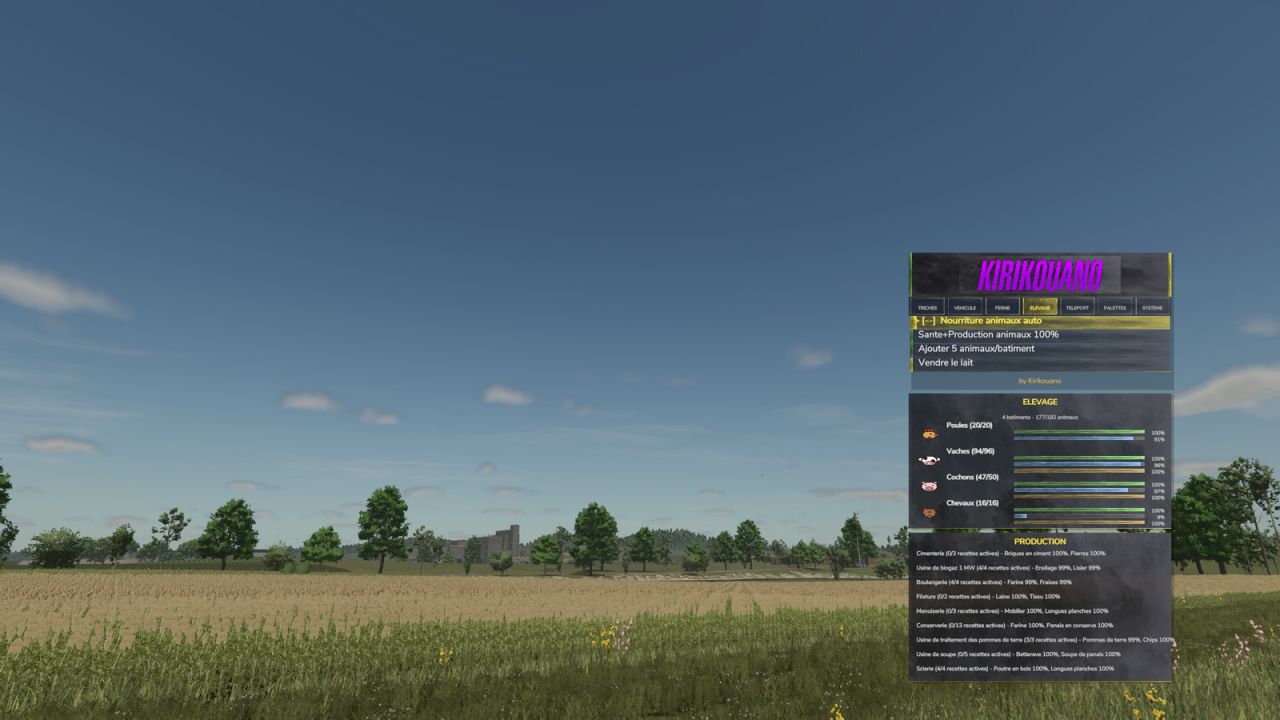
FS25 Kirikouano Menu HUD V1.1.0.0
FS25 Kirikouano Menu HUD V1.1.0.0 Kirikouano menu: F12 opens/closes a modular and compact panel. Includes silver, full fill, no wear, flight, fast speed, strength, automatic doors/barriers and free terraforming (toggles); clean/repair/empty vats, choose grain, spawn pallets/bales, buy all terrain, field status editor, right overturned vehicle, quick save, movable and recolorable panel. Keyboard navigation (wheel/click or Up/Down/Enter) by default. Controller: no buttons automatically assigned (to avoid any conflict with your own settings) — assign the “KM_MENU_*” actions yourself in Options > Controls > Controller if necessary. The panel moves with the dedicated I/J/K/L keys (not the arrows, to avoid conflicts with the camera). Note: Time and Weather actions use game developer console commands and require the “-cheats” launch option; all other features work without it. © Kirikouano. Do not redistribute or reupload without permission. V1.1.0.0 I added a new FIELD tab entirely in French, which replaces the game’s Field Status window (previously only in English) with 12 translated settings (crop, growth stage, weeds, stones, soil type and angle, spraying, lime, plowing, rolling, stubble grinding). I added a fleet manager (repair/clean/refuel all vehicles at once), a firm dashboard, a list of active contracts, a list of connected players in multiplayer, fast-forward time (1 day/week/month), and an interface scaling setting. I replaced the native “Set Money” window with a system fully integrated into the menu (adjustable amount + add/remove), to avoid opening an external window. I fixed several bugs: the filling of silos that never emptied correctly, the filling of factories that remained stuck at zero, and a crash of unlimited filling on harvesters in multiplayer during active harvest. Credits:KIRIKOUANO59 Tags: Field StatusOptions Controls ControllerSet MoneyWeather
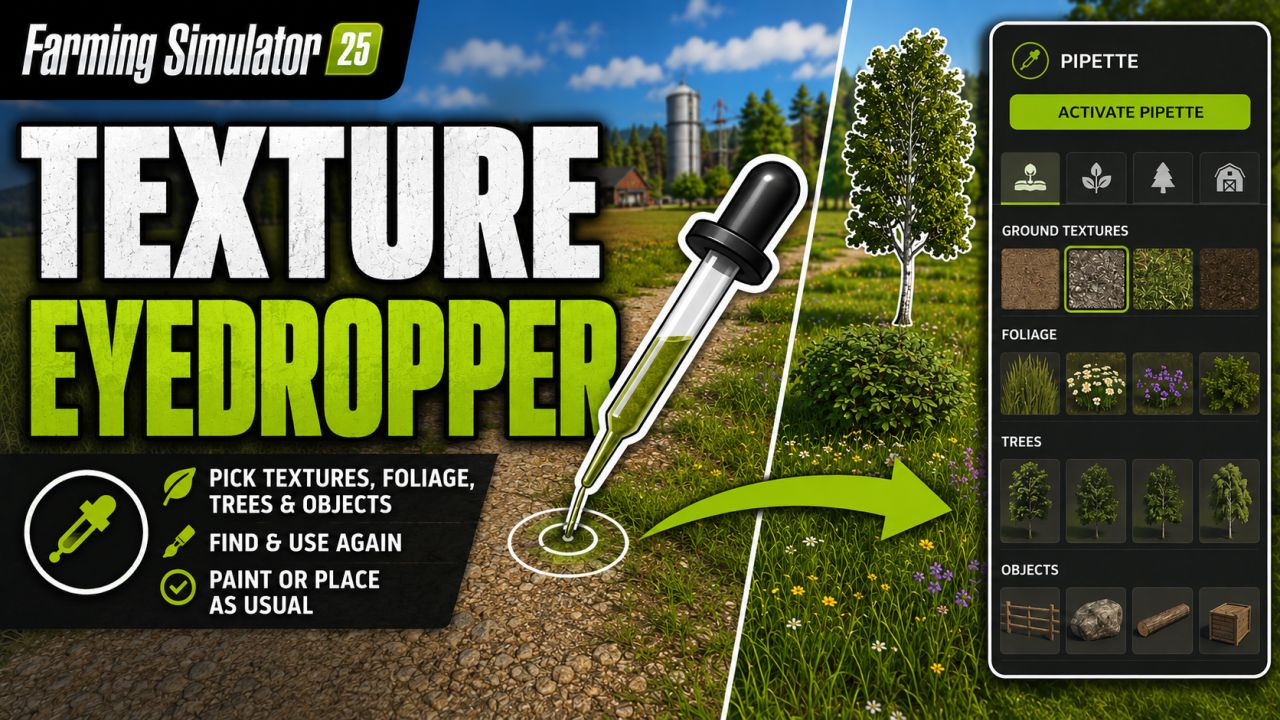
FS25 Texture eyedropper V2.1.0.0
FS25 Texture eyedropper V2.1.0.0 Terrain Texture And Object Picker expands the build menu with an eyedropper feature for ground textures, foliage, bushes, trees and supported placeable objects. The pipette can be used to capture already used painting textures, visible foliage such as grasses, flowers and bushes, placeable trees and supported objects directly on the map and find them again in the construction menu. For mixed areas, multiple matching hits can be displayed. Application: 1. Open the “Pipette” tab in the build menu. 2. Press the “Activate pipette” button. 3. Click on a ground texture, foliage, bush, tree, or supported object. 4. Confirm the desired hit in the construction menu. 5. Paint or build as usual. The pipette can be reactivated at any time if necessary. The active brush is reset before recording. The mod takes into account available ground textures and suitable foliage of the respective map. Map foliage is recognized without loading additional entries into the normal build menu without checking. Thanks to PeterPwn247 for “All Decorative Foliage” and to modelleicher (Farming Agency) for “All The Ground Textures Ingame”. Both mods helped to understand how map content can be usefully made available in the build menu. Changelog 2.0.0.0: – Name changed to Terrain Texture And Object Picker. – Detection of bushes and trees expanded. – Detection improvements for ground textures, foliage and supported construction menu items. – Improved map foliage detection for additional map content. – The previous debug mode was removed because it led to extensive log entries in normal use. V2.1.0.0 Version 2.1.0.0 – New tab Search in the construction menu: searches all categories for keywords, regardless of the order, sorted by relevance. – First related object groups recognized for the search: trees and animal husbandry are found even without a literal name hit. – StoreItems from new prefab/card templates are now found reliably, even if paths differ in spelling. – Trees without a clear assignment to a construction menu entry are no longer incorrectly displayed as tiles, but only as information text. Version 2.0.0.0 – Name changed to Terrain Texture And Object Picker. – Detection of bushes and trees expanded. – Detection improvements for ground textures, foliage and supported construction menu items. – Improved map foliage detection for additional map content. – The previous debug mode was removed because it led to extensive log entries in normal use. Credits:Nalathan Tags: Farming Agencymods
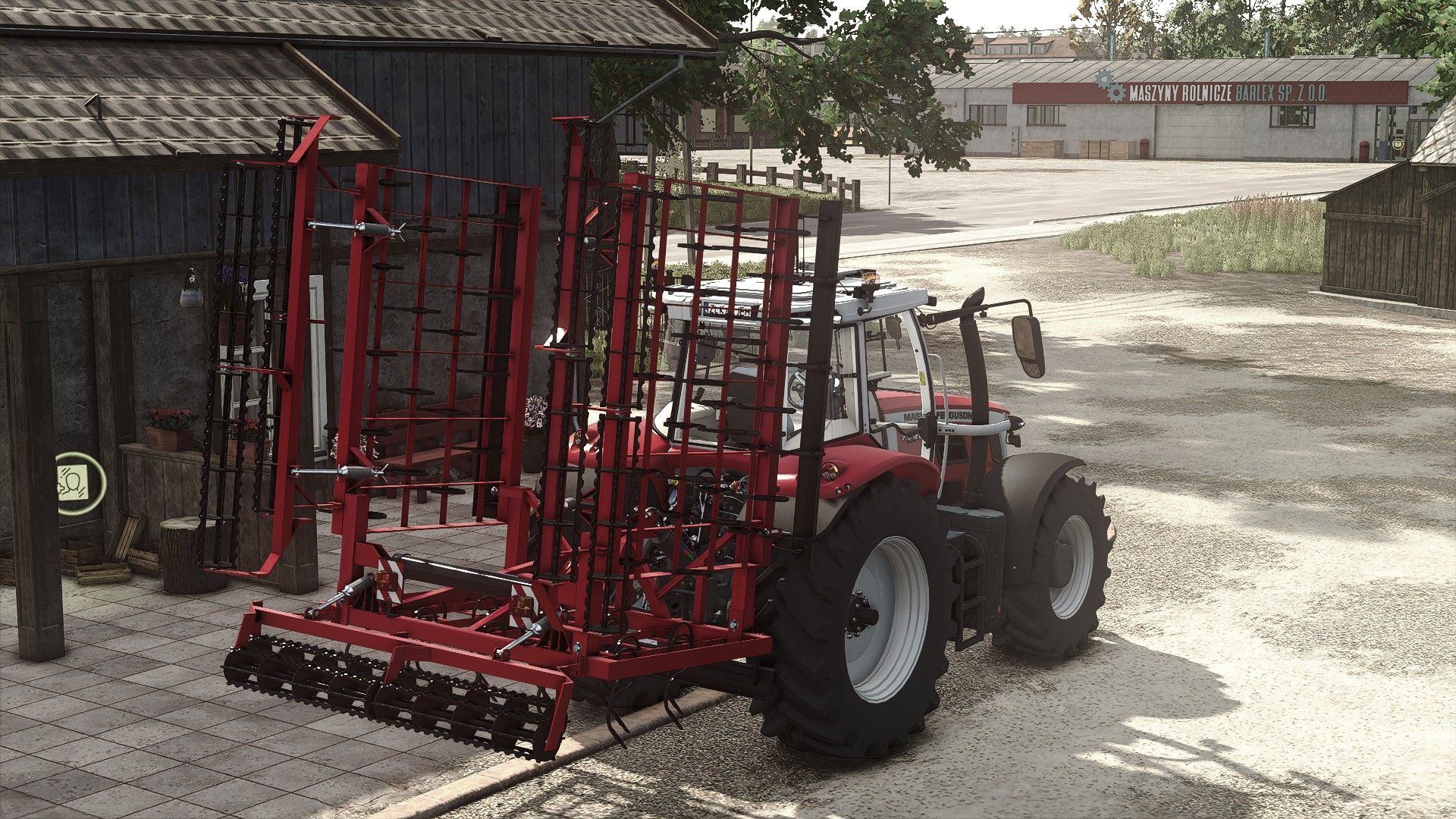
FS25 Satex 7m V1.0.0.1
FS25 Satex 7m V1.0.0.1 Needed Power: 115 Working Width: 7 Price: 8500 V1.0.0.1 Updated to FS25 Materials Fixed issue where GPS was showing 5.3m as default Working width Credits:Starlexs, z7Cola, Jukka, Udruzenje nezavisnih modera Tags: GPSWorking Width
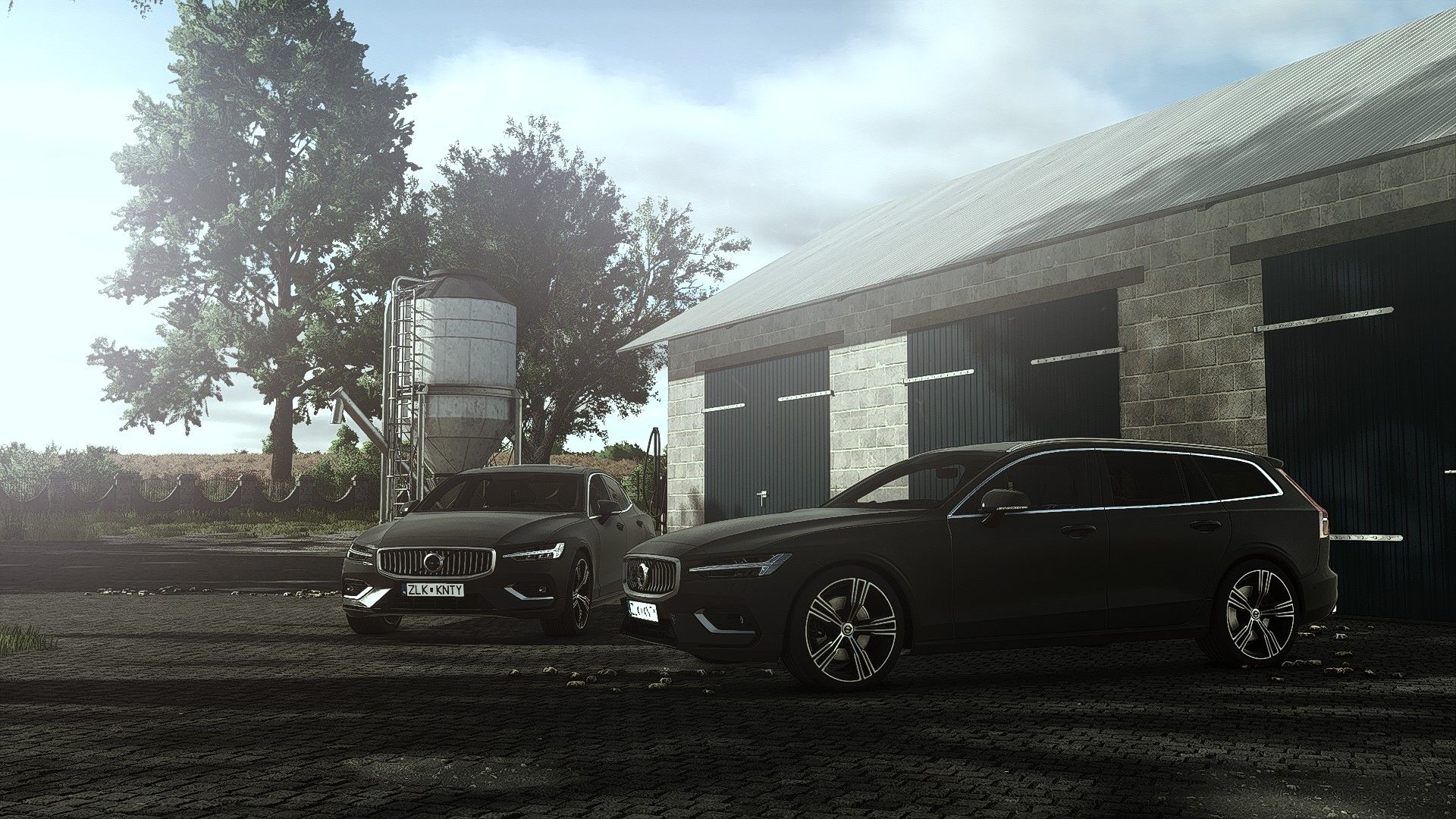
FS25 Volvo S60/V60 2019 V1.0.0.0
FS25 Volvo S60/V60 2019 V1.0.0.0 – Price: 43200 / 52900 – Power: 310hp – Max. Speed: 250kph Configurations: – Trailer Hitch – Base-Color – Design-Color (Interior) V1.0.0.0 Vehicle years mod support added Required mods: Vehicle Years Credits:Starlexs, Jonas2203 Tags: Vehicle Years
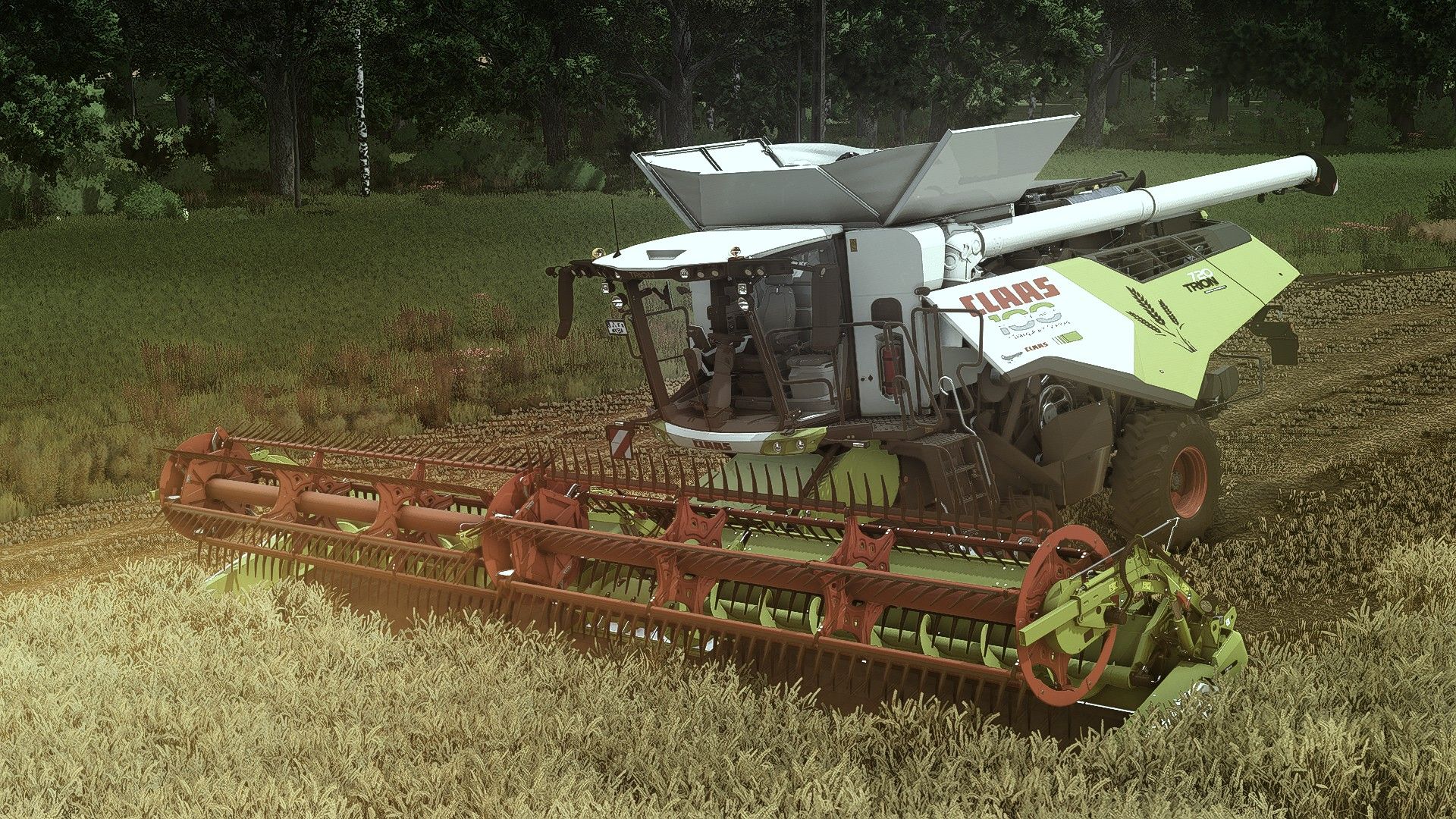
FS25 CLAAS TRION 720-750 Pack V1.0.0.1
FS25 CLAAS TRION 720-750 Pack V1.0.0.1 CLAAS TRION 750-720 Category: Harvesters Price: $357,500 – $391,500 Power: 367 hp – 435 hp Max. speed: 30 kph Capacity: 12,000 L CLAAS CORIO 875 FC Category: Corn Headers Price: $63,500 Working width: 6.0m Working speed: 10 kph Interactive control Passenger seat V1.0.0.1 Vehicle years mod support added Filename changed to fix mod conflict Required mods: Interactive Control Vehicle Years Credits:Starlexs, GIANTS Software Tags: Category Corn HeadersFCInteractive ControlVehicle Years
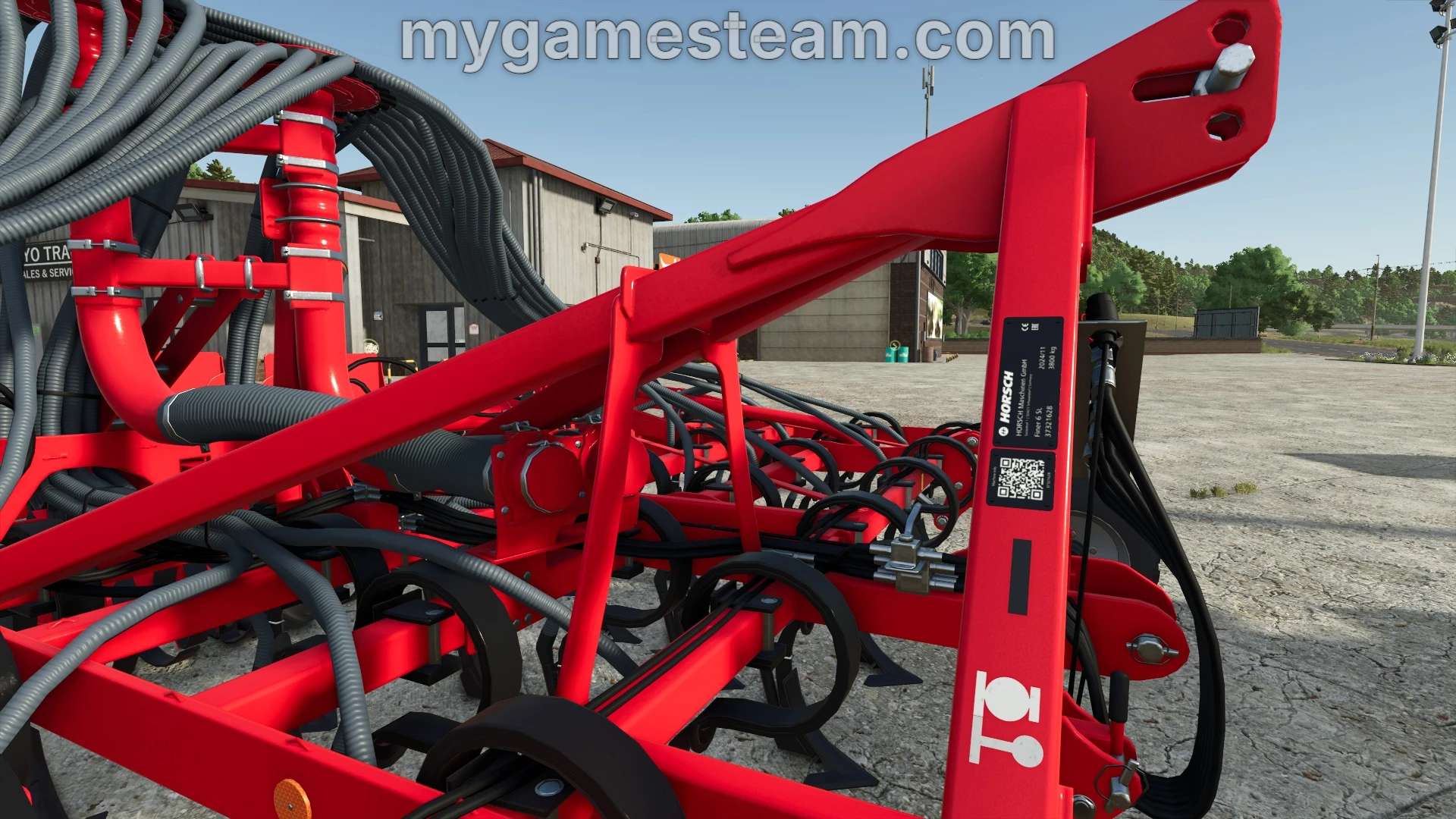
FS25 Horsch VIN Plate Prefab v1.0.0.0
FS25 Horsch VIN Plate Prefab v1.0.0.0 Note: Text can be edited on the enclosed .dds files to suit other Horsch tools. 5 pre made textures enclosed for base game Horsch tools. Credits:My GameSteam
- 15 per page
- 30 per page
- 45 per page
- 60 per page
-
See more per page
Bigger pages, fewer clicks - and no ads anywhere.
Go Pro